The difference between an average morning and a memorable one in Clearwater usually comes down to a few small decisions – where you launch, how far you run, and whether you fish the conditions instead of forcing a plan. That is what makes clearwater inshore fishing so good when it is done with local knowledge. You are not burning half the trip chasing a guess. You are spending your time around feeding fish, comfortable water, and spots that actually match the tide, season, and weather.
For visitors, that matters even more. Clearwater looks simple from shore – calm water, passes, beaches, flats, docks, mangroves – but fish do not use all of it the same way every day. A spot that was perfect last week can be empty on the wrong tide. A shoreline that looks quiet can suddenly hold snook, trout, or redfish when the bait stacks up. That is why a guided trip is not just about having a boat. It is about making smart moves all day long.
Why Clearwater inshore fishing is so popular
Clearwater gives anglers a rare mix of convenience and variety. You have protected water, productive grass flats, residential canals, docks, mangrove edges, creek mouths, and nearby passes that can all play depending on conditions. That means beginners can enjoy a comfortable trip without a long offshore run, while experienced anglers still get the shot at quality fish and technical sight-fishing opportunities.
It also helps that the species list stays interesting. Redfish, snook, and speckled trout are the core inshore favorites, but they are not the whole story. On the right day, you may also find jack crevalle, mangrove snapper, Spanish mackerel, sharks, or even tarpon in the broader area depending on season and how the trip is set up. That variety keeps the day moving. If one pattern slows down, a good captain can shift gears instead of watching the clock.
What you can expect to catch
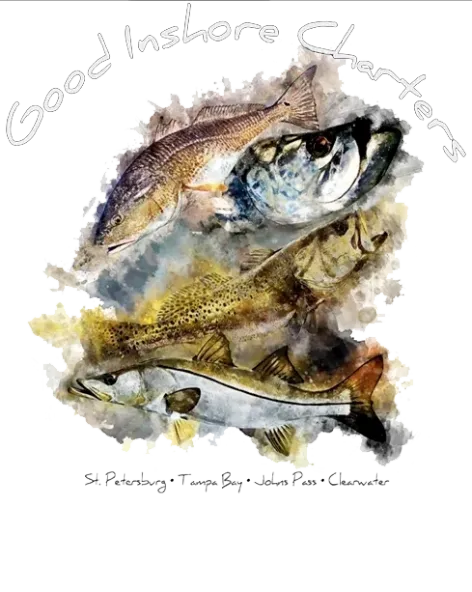
Most anglers asking about Clearwater inshore trips are really asking about three fish – snook, redfish, and trout. That makes sense. They are fun to target, they pull hard, and they fit a wide range of skill levels.
Snook are the fish many visitors talk about first. They hold around docks, mangroves, points, and current edges, and they can be very aggressive when conditions line up. They also have moods. Some days they will crush a well-placed bait. Other days they follow, bump, and disappear. That challenge is part of what makes them such a great inshore target.
Redfish are a favorite for anglers who like structure, shallow water, and steady action. They may school on flats, cruise edges, or push bait in skinny water. A slot redfish on light tackle gives you the kind of fight that feels bigger than the fish looks.
Speckled trout are often a great option for families and mixed-skill groups because they can provide consistent action, especially over productive grass. They are also a good example of why local timing matters. The same flat can be excellent at first light, slow after the sun gets high, and then turn back on with moving water.
Depending on time of year, nearshore conditions, and what you want from the trip, there can be opportunities to mix in other species too. That flexibility is one reason inshore charters appeal to both serious anglers and vacationing families.
The conditions matter more than the plan
A lot of first-time guests want to know the best month for fishing. The honest answer is that Clearwater can fish well year-round, but no month guarantees the exact same trip. Wind, tide movement, water temperature, bait presence, and water clarity all shape the day.
Summer usually offers warm water, active bait, and strong opportunities for snook, trout, redfish, and tarpon in the wider area. The trade-off is heat and afternoon storms, which is why morning trips are often the smart play.
Fall can be excellent because bait is still around and many inshore species feed aggressively. Winter can be very productive too, especially for trout and redfish, but cold fronts can change patterns quickly. Spring often brings stable weather and active fish, making it a favorite season for many anglers.
This is where a captain earns his keep. Good trip management is not about pretending every day is perfect. It is about reading the day honestly and adjusting before wasted time piles up. Sometimes that means fishing protected shorelines instead of open flats. Sometimes it means changing launch locations or targeting a different species mix to keep rods bent.
Why the right boat setup changes the trip
Not every charter can fish Clearwater the way it should be fished. Inshore success often depends on flexibility. A boat that is too limited in shallow water or too locked into one marina can box you into second-best options.
A trailerable hybrid boat changes that. It gives a captain the ability to choose launch points based on current conditions rather than convenience alone. If one side of the area is blown out, you are not stuck there. If a certain zone is fishing better, you can start closer to the action and spend more time with lines in the water.
That flexibility is especially valuable for guests staying in different beach communities around Clearwater, St. Pete, or Madeira Beach. The trip can be built around where the fishing is best, not just where the boat happens to sleep.
What a guided trip takes off your plate
For many visitors, the biggest benefit of a charter is not just catching more fish. It is avoiding all the friction that comes before the first cast.
You do not need to sort out licenses, buy tackle, keep bait alive, or wonder whether your gear matches the fish you want to target. You are not losing vacation time at a bait shop or boat ramp. You show up, step aboard, and fish.
That simplicity matters for families and casual anglers, but experienced fishermen appreciate it too. Plenty of skilled anglers book charters because they know local patterns change fast, and they would rather spend a day learning productive water than guessing at it. A strong guide shortens the learning curve and helps guests fish with confidence from the first stop.
Clearwater inshore fishing for families and serious anglers
One of the best things about this style of fishing is how adaptable it is. A family with kids may want steady action, short moves, and a comfortable pace. A more experienced angler may want to throw artificials, work docks carefully, or spend extra time chasing one quality snook bite. Both approaches can make sense.
The key is matching the trip to the people on board. A good charter does not force everyone into the same fishing style. It reads the group, understands what kind of day they want, and balances fun with opportunity. That is a big difference between a trip that feels rushed and one that feels well run.
For many guests, that balance is exactly why they book with a local operation like Good Inshore Fishing. The experience is professional without being stiff, and productive without making beginners feel out of place. That is not a small thing. The best charter days usually come when guests feel relaxed enough to enjoy the process while still trusting the captain to put them around fish.
What to look for when booking
If you are comparing Clearwater fishing charters, ask practical questions. What species are most realistic right now? Where will the trip fish if the wind changes? Is all tackle and licensing included? Is the trip suitable for kids or first-timers? Those answers tell you a lot about whether the business is focused on service or just selling a date on the calendar.
It is also worth paying attention to how a captain talks about fishing. Honest captains do not promise hero shots every trip. They explain the current pattern, the likely targets, and the backup plan if conditions shift. That kind of straightforward communication usually leads to a better day because expectations are realistic from the start.
Reviews matter too, especially when they mention professionalism, patience, boat quality, honesty, and how the captain handled changing conditions. Fish counts are nice. Consistency and trust are better.
A better way to spend a day on the water
Clearwater inshore fishing is at its best when the trip feels easy for the guest and carefully managed behind the scenes. That means the gear is ready, the route makes sense, the locations match the conditions, and the captain is thinking a few moves ahead. When that happens, even a tough day feels worthwhile, and a good bite window can turn into the kind of outing people talk about long after the vacation ends.
If you are planning time on the Gulf Coast, aim for a trip that gives you options, not just a boat ride. The fish are here. The trick is meeting them where they want to be that day.